• Features
  • Pricing
  • Migration
  • Integrations
  • Resources

Main meniu
Main meniu
HOW IT WORKS

READY TO SWITCH?
Migration? On us
We've done this thousands of times. Our team moves your automations, lists, templates, and whole setup — for free. You just show up when it's done.
Main meniu
Main meniu
Request migration
Omnisend research

Shrinkflation, soaring prices, and dwindling trust: Who do consumers blame in 2026?

With inflation remaining high and prices for essentials such as gas and groceries continuing to rise, it's no surprise that consumer sentiment is at a historic low. Many consumers report feeling stressed and uncertain about the future, alongside growing concerns about their financial situation.

Our new survey of more than 4,000 consumers across the U.S., the UK, Canada, and Australia explores people’s attitudes towards the current economic climate, how it’s affecting their outlook, as well as who they believe bears the responsibility for the current situation.


Key findings

Shrinking packages and
rising prices are frustrating
consumers

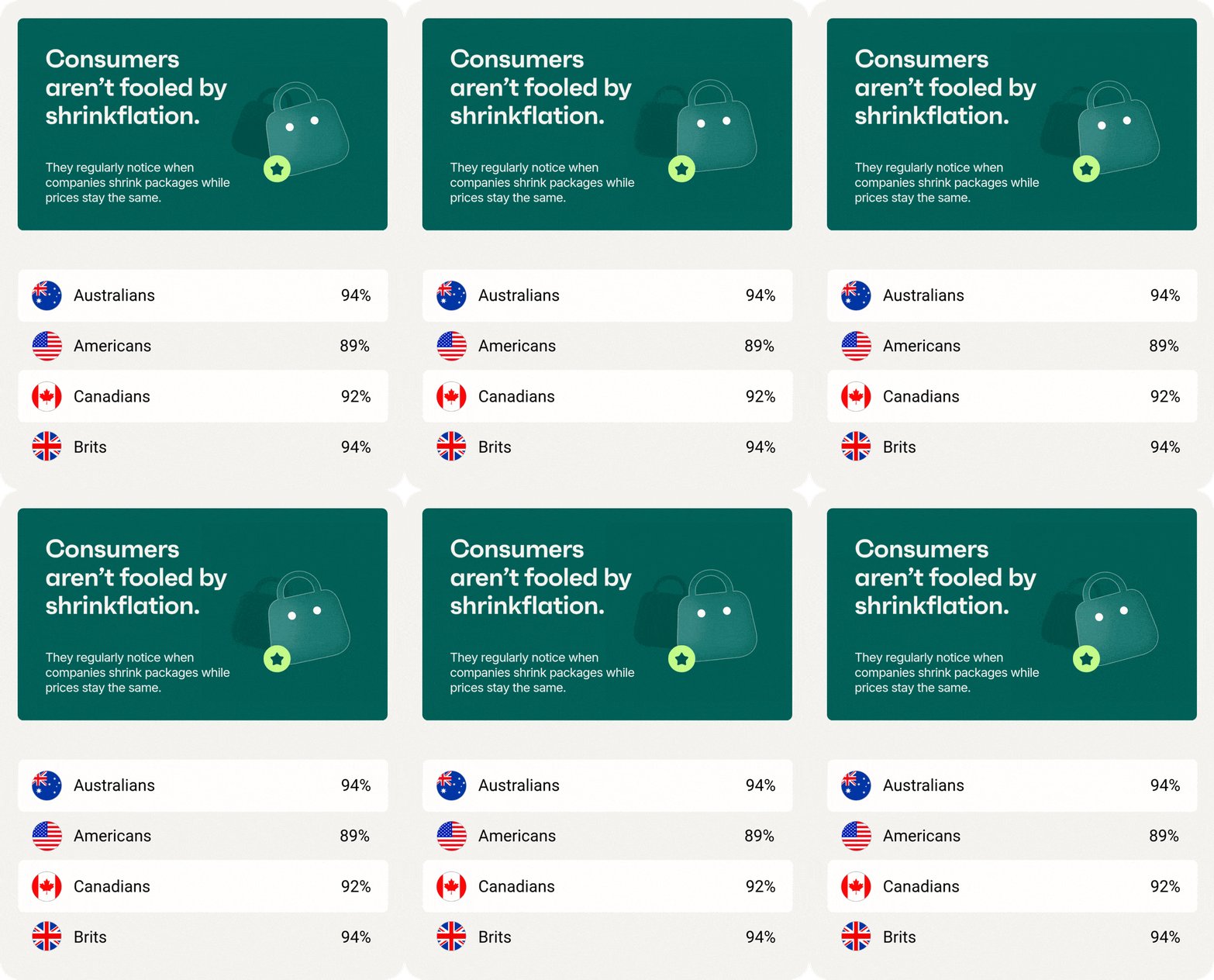
There are price increases, and then there’s shrinkflation. It’s the practice of shrinking a product in size while its price stays the same. The majority of consumers notice this, and they’re not happy about it.

89% of Americans, 93% of Brits, 92% of Canadians, and 94% of Australians say that they’ve noticed instances of shrinkflation at least once, while 59%, 64%, 62%, and 64% respectively say they see it regularly. Moreover,  29% in the U.S., 33% in the UK, 34% in Canada, and 32% in Australia named it the most unfair type of price increase. The corporate habit of broadly blaming inflation for unpopular pricing decisions came in second with 22%-29% across markets.


Which type of price increase feels most unfair to you?

USA
UK
Canada
Australia

Groceries are the one area where shrinkflation is the most obvious to consumers, with 65% of Americans, 54% of Brits, 72% of Canadians, and 58% of Australians saying so. Snacks and restaurant portions are second (15%-30%) and third (3%-6%) on the list, but way less noticeable in comparison.

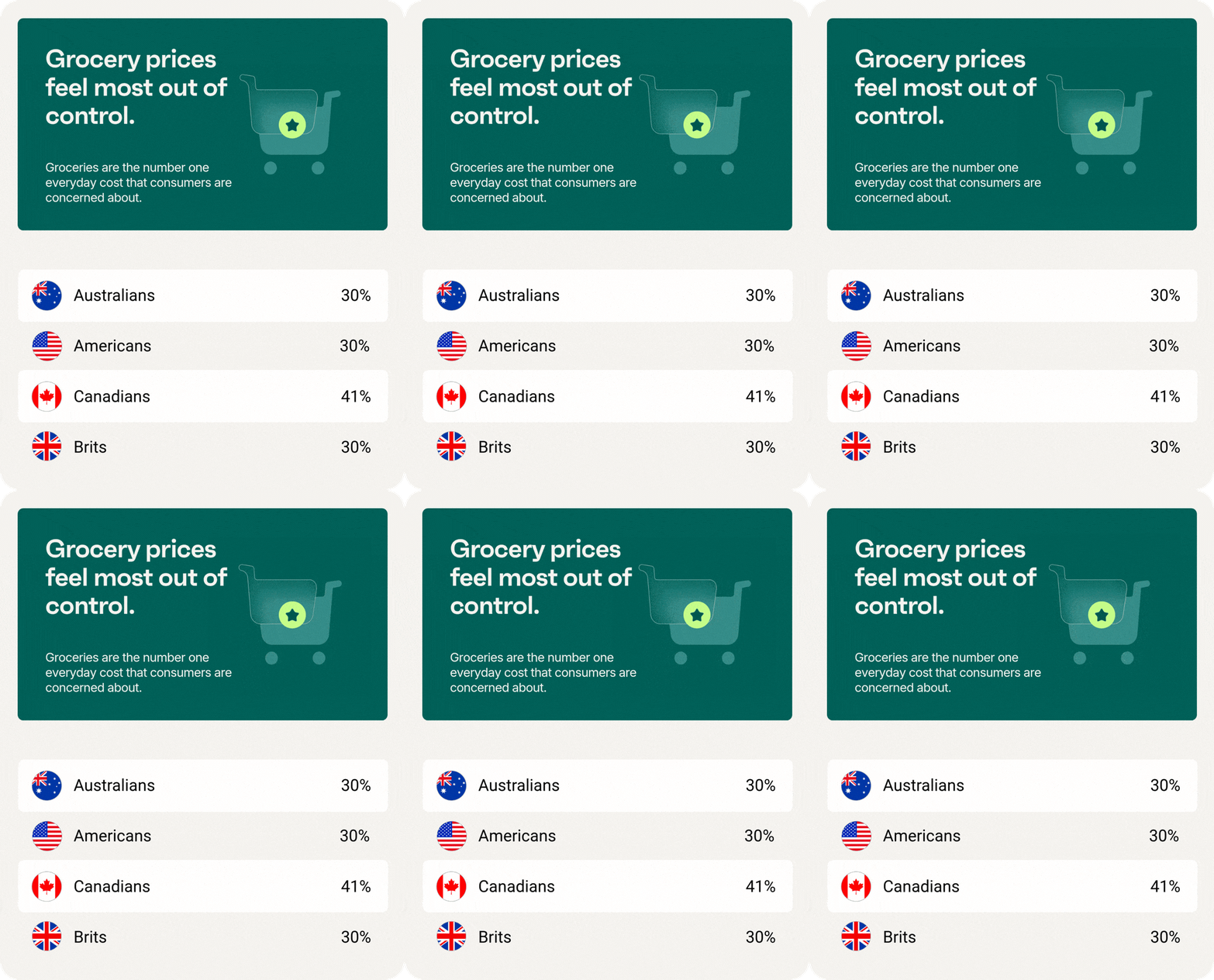
The key reason shrinkflation raises such strong emotions is that for many, grocery costs are already “out of control,” as pointed out by 30% of Americans, 27% of Brits, 41% of Canadians, and 30% of Australians. Gas and transportation come in second, with 20%, 15%, 19%, and 10% respectively saying it’s the most stressful price increase.


Which everyday cost feels most out of control for you right now?

USA
UK
Canada
Australia

It’s not as if consumers oppose increases in prices on principle. The survey shows that they would be willing to pay more under some circumstances. For example, 19% in the U.S., 20% in the UK, 18% in Canada, and 18% in Australia would accept higher prices for better product quality, 16%-19% for better worker wages, and 15%-18% for higher ingredient or material costs.


Which explanation would make you most likely to accept a higher price from a
brand or retailer?

USA
UK
Canada
Australia
Expert insight

Consumers understand that costs change, but they want those changes to make sense. Shrinkflation creates the opposite impression: that a company is hoping customers will pay the same and notice less. In many cases, it can definitely feel like an insult. When households are already watching every dollar they spend, transparency around price increases matters more than ever.

Marty Bauer
Ecommerce Expert at Omnisend

Credit cards, BNPL, and
borrowing are the new
financial survival strategies

Constant price increases are so much more than a source of stress for consumers. They fundamentally change how people view brands they have a long-standing relationship with. 67% of Americans, 71% of Brits, 74% of Canadians, and 75% of Aussies say that higher prices have changed how they feel about the brands or stores they used to like. Among them, 26%-31% have stopped buying altogether from certain brands, while 22%-28% trust them less.


Have higher prices changed how you feel about any brands or stores you used to like?

USA
UK
Canada
Australia

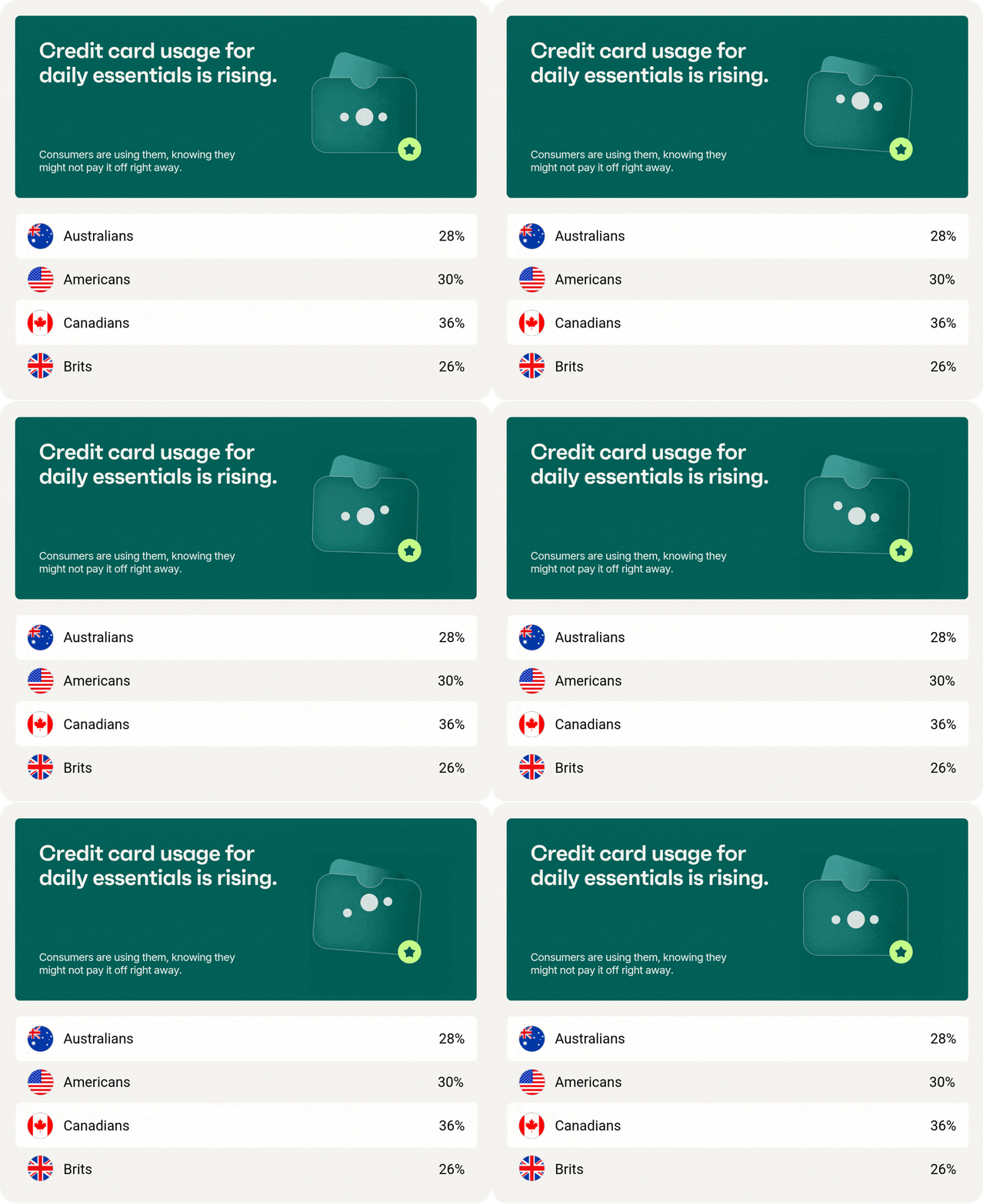
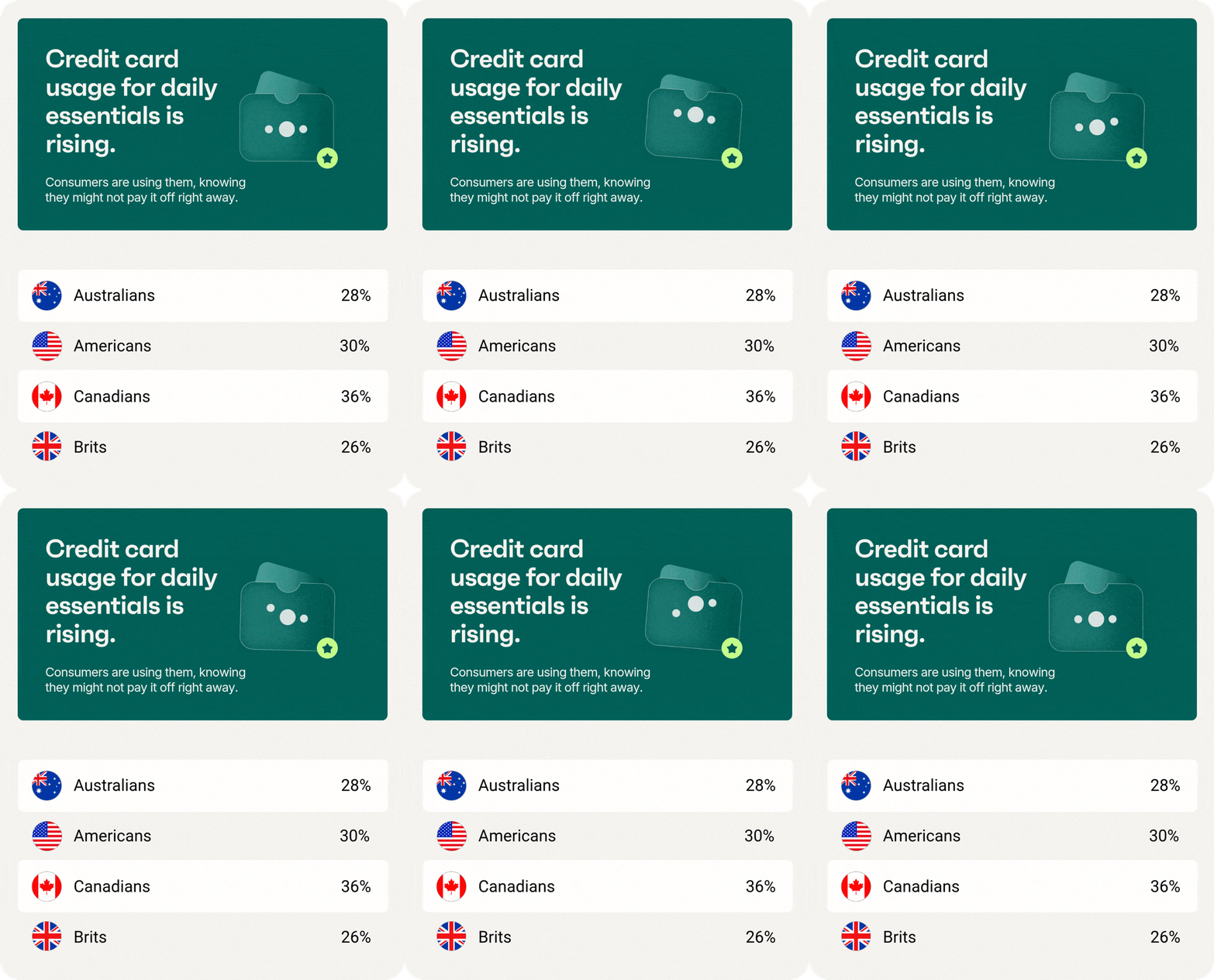
The data shows that consumers are adapting to this new reality by relying on different, more desperate financial strategies. In the past three months, 30% of Americans, 26% of Brits, 36% of Canadians, and 28% of Australians have used a credit card for daily essentials, knowing they might not pay it off right away. Another 17%-20% have borrowed money from family or friends. 13%-24% have used Buy Now, Pay Later services, while 16%-28% have used savings that were meant for something else.


In the past three months, have you used any of the following to pay for essentials
like groceries, gas, utilities, rent, or medical costs?

USA
UK
Canada
Australia
Expert insight

Credit cards, Buy Now, Pay Later, dipping into savings, borrowing from family and friends. These are all strategies that were once meant to help manage unexpected expenses. Now, they’re increasingly being used to simply get by. The problem is that once these financial safety nets become part of the monthly budget, consumers are left with fewer options when the next unexpected expense comes along.

Marty Bauer
Ecommerce Expert at Omnisend

Consumers blame politics,
not brands

Our survey also shows that consumer trust in companies and governments is weakening. 30% of Americans, 35% of Brits, 33% of Canadians, and 38% of Australians say they trust companies less than they did six months ago to raise prices only when necessary.

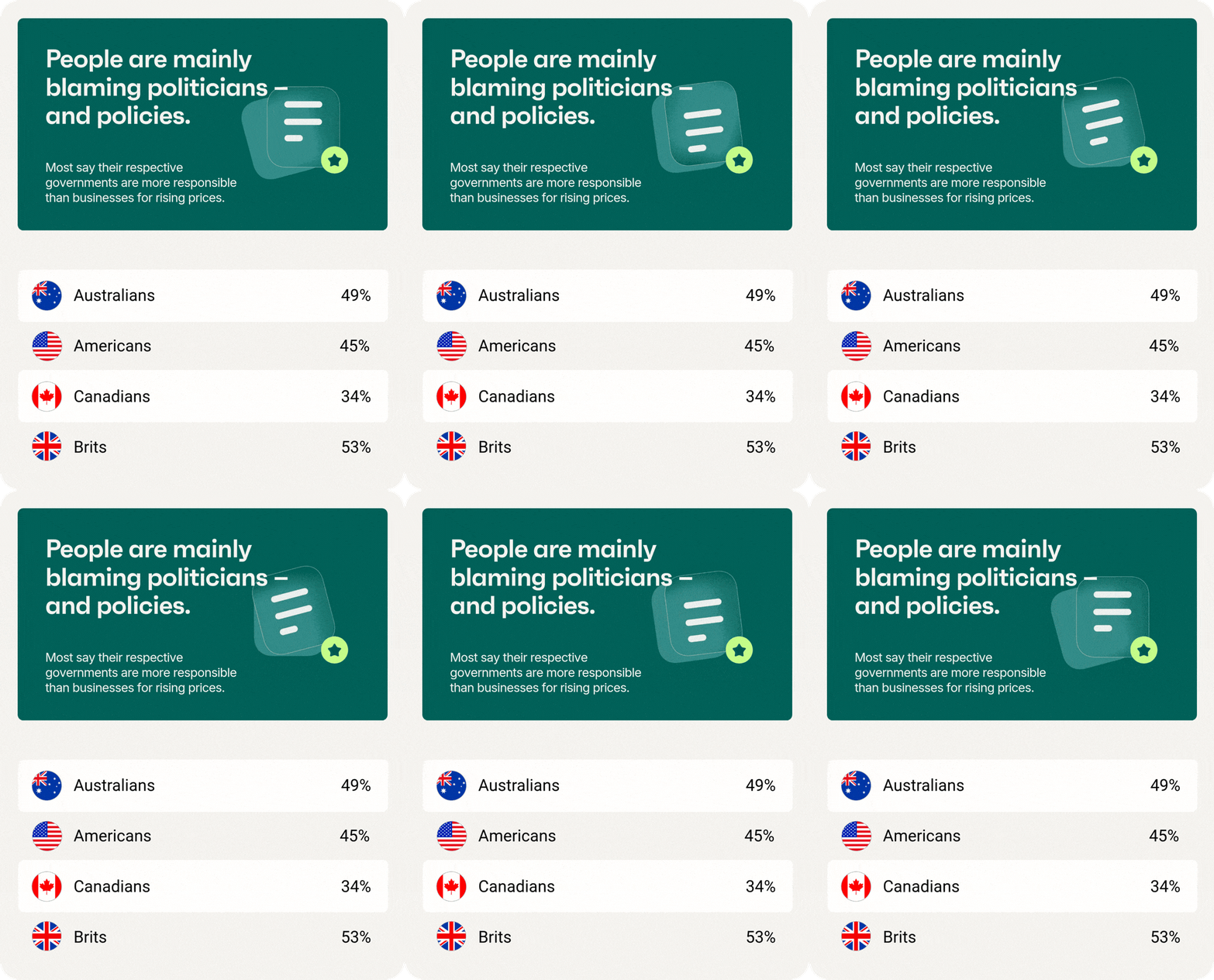
At the same time, consumers in all four countries put more blame on politicians – and policies – for rising prices than they do on businesses. Americans point to the White House (45%), tariffs (24%), and Congress (23%) as the main culprits, while Brits, Canadians, and Australians blame their own governments (35%, 53%, and 49%, respectively). Among Canadians in particular, 44% say that the U.S. trade policy added significantly to price increases.


When you see prices go up, who do you blame most?

USA
UK
Canada
Australia

Economic strain is also taking a toll on consumers’ sense of control. 52% of Americans, 56% of Brits, 56% of Canadians, and 48% of Australians say they don’t believe their actions could make a meaningful difference in solving the current situation.

While most feel powerless, some say rising costs are influencing how they respond. In fact, between 20% and 33% say rising costs have made them more likely to vote differently, 12%-17% are more likely to post about the issue on social media, and 14%-18% are more likely to sign a petition or join a boycott.

Expert insight

The general sentiment currently is that of distrust. Yes, politicians are the ones receiving the most blame, but brands shouldn’t think they’re let completely off the hook. On the contrary, consumers judge the economy through everyday experiences, including what they see on shelves and receipts. Every price increase, smaller package, or unexplained fee becomes a test of whether a company is acting fairly. Brands should take note of this. Losing trust is easy. Gaining it back takes much more time and effort.

Marty Bauer
Ecommerce Expert at Omnisend

Losing trust could have long-
term consequences

The data tells a very clear story: consumers feel stressed by regular price increases and have a deep sense of mistrust towards both businesses and politics. Shrinkflation and vague inflation excuses from businesses have worn down patience, grocery bills are the biggest source of daily tension, and more households are leaning on credit cards and BNPL just to get by. And while politicians take the brunt of the blame, brands aren’t in the clear as well.

The takeaway is straightforward: transparency about pricing decisions isn't optional anymore. Consumers are watching closely, and they're ready to walk away from brands that don't explain themselves or act selfishly.

Methodology

The survey was commissioned by Omnisend and conducted by Cint in June 2026. It included 1,075 respondents from the U.S., 1,114 from the UK, 1,068 from Canada, and 1,014 from Australia. Quotas were placed on age, gender, income, and place of residence to achieve a nationally representative sample among users. The margin of error is +/-3 percent.

Self-reported survey data reflect stated intentions and perceptions, not observed behavior. Results are subject to recall and social desirability bias. Findings are representative of the sampled population and may not reflect all U.S. adult consumers.

FAQ

What share of consumers have noticed shrinkflation? + -

The vast majority have: 89% of Americans, 93% of Brits, 92% of Canadians, and 94% of Australians say they've noticed instances of shrinkflation.

Where do consumers notice shrinkflation the most? + -

Groceries are by far the most common place, cited by 64.5% of Americans, 54% of Brits, 72% of Canadians, and 58% of Australians.

Which type of price increase do consumers consider the most unfair? + -

Shrinkflation tops the list as the most unfair type of price increase (US 29%/ UK 33%/ CA 34%/ AU 32%), ahead of companies broadly blaming "inflation" for price hikes.

Which everyday costs feel most out of control for consumers? + -

Grocery prices are the biggest source of stress (US 30%/ UK 30%/ CA 41%/ AU 30%), with gas and transportation costs coming in second.

Who do consumers blame most for rising prices? + -

Politicians and governments are blamed far more than businesses, with Americans pointing to the White House and Congress, and Canadians and Australians blaming their Federal Governments.

Do consumers think brands use inflation as an excuse to raise prices? + -

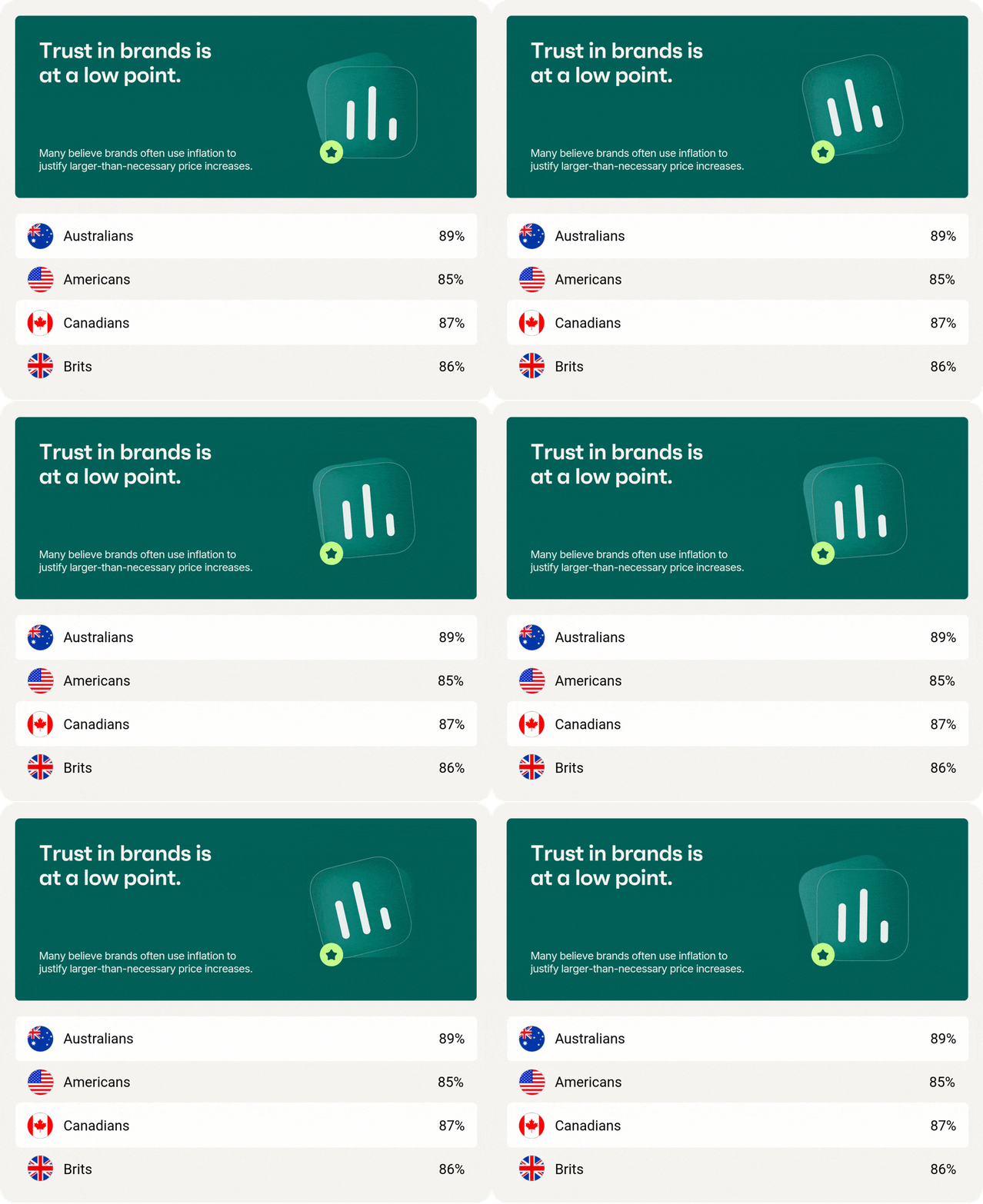
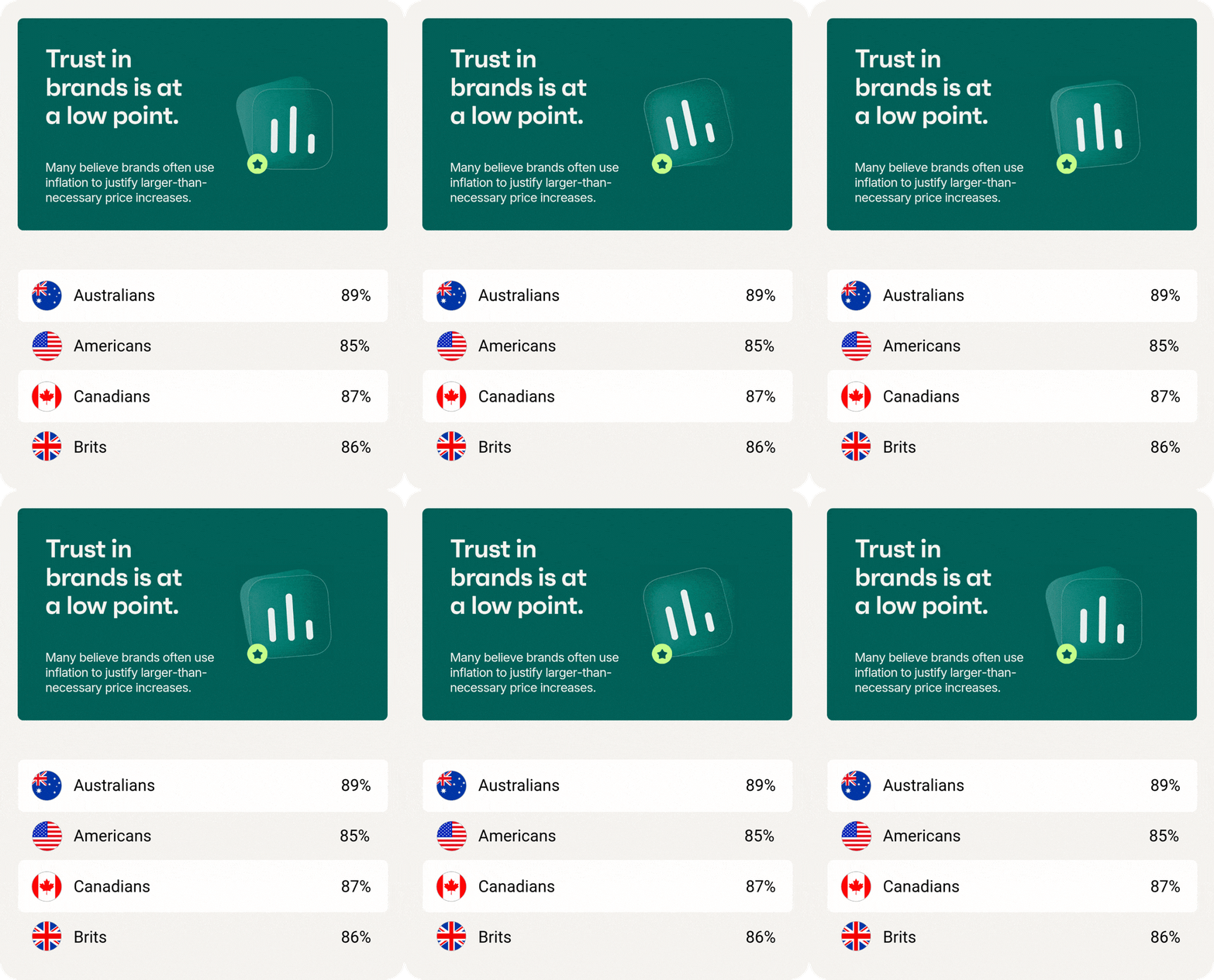
Yes, the majority believe this: 85% of Americans, 86% of Brits, 87% of Canadians, and 89% of Australians think brands use inflation as a justification to raise prices unnecessarily.

How have rising prices affected consumer trust in brands? + -

Trust has declined noticeably, with 30% of Americans, 35% of Brits, 33% of Canadians, and 37.5% of Australians saying they trust companies less than they did six months ago to raise prices only when necessary.

How are consumers paying for everyday essentials as prices rise? + -

Many are turning to riskier financial tools, including credit cards carried without paying off in full, Buy Now Pay Later services, borrowed money from family or friends, and dipping into savings meant for other purposes.

What would make consumers more willing to accept higher prices from brands? + -

Better product quality is the top justification (around 18-19% across countries), followed by better worker wages and higher ingredient or material costs.


How to cite this report?


Have any questions?

Reach out to our Public Relations team by email [email protected] for more details. We're here to help and provide any additional information you might need.

Omnisend

Email and SMS marketing so good, it’s boring

Omnisend is a leading email and SMS marketing platform, trusted by over 150,000+ brands worldwide and with a 4.7-star rating from more than 6,000 Shopify reviews. With powerful tools like automation, segmentation, reporting, push notifications, and product reviews, Omnisend merchants generate $79 for every $1 spent.

Learn more